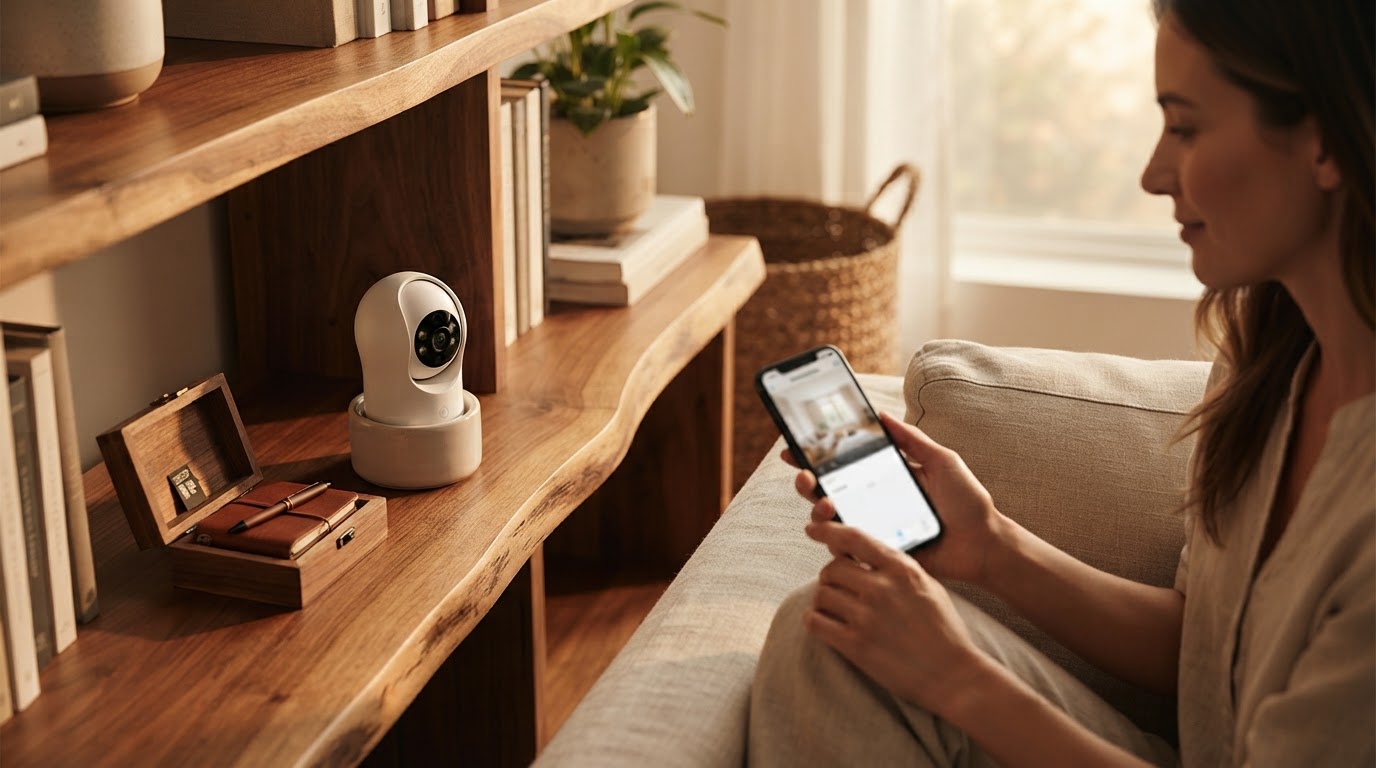
Maintaining Privacy with Bulb Security Camera Systems
 Priya RamanSenior Analyst
September 4, 2026. This review examines the operational efficiency of local storage solutions for smart home monitoring. It is designed for homeowners and property managers seeking to eliminate recurring monthly fees while maintaining high-fidelity surveillance.
To understand the value of a hardware-first approach, think of it as a matrix of data ownership versus operational convenience. When evaluating modern surveillance, two axes matter here: the physical ease of installation and the long-term cost of data retention. Most consumers find themselves caught between complex wired systems that require professional help and simple wireless units that trap users in a perpetual cycle of cloud storage fees. The decision rule for the modern consumer is to prioritize devices that utilize existing infrastructure, such as standard E27 sockets, while offering onboard storage capabilities to bypass the subscription model entirely. Once you see it this way, the shift toward localized hardware becomes the logical choice for both privacy and budget management.
The Hidden Costs of Cloud-Dependent Surveillance
The current landscape of residential security is heavily tilted toward the Software-as-a-Service model. While the initial hardware cost of many cameras appears low, the total cost of ownership escalates significantly when cloud storage tiers are factored in. This creates a dependency where the device's utility is tethered to a third-party server. For residents who require a rental-friendly outdoor security camera, the friction of managing multiple subscriptions often outweighs the perceived benefits of the hardware. The technical challenge for many users lies in the infrastructure; traditional cameras often require drilling into exterior walls, which is a permanent modification many lease agreements forbid. This is why the demand for a no-drill apartment security camera has surged among urban dwellers who need flexibility without sacrificing security.
Beyond the financial implications, there is the matter of data sovereignty. When video feeds are stored exclusively on remote servers, the user cedes a degree of control over their personal imagery. Technical discussions on platforms like Reddit regarding 360 light bulb cameras without subscriptions highlight a growing consumer preference for SD card slots and local network access. This preference is not merely about saving money; it is about ensuring that a porch or living room feed remains private. For those transitioning into a new living space, following three steps to bulb security camera apartment setup can provide an immediate layer of protection that does not require an IT department to manage. The reliance on external servers also introduces a point of failure; if a provider's service goes down or a subscription lapses, the camera often becomes a non-functional piece of plastic. By contrast, a system that records locally remains operational regardless of the manufacturer's cloud status.
The Bulb Security Camera Hardware Framework
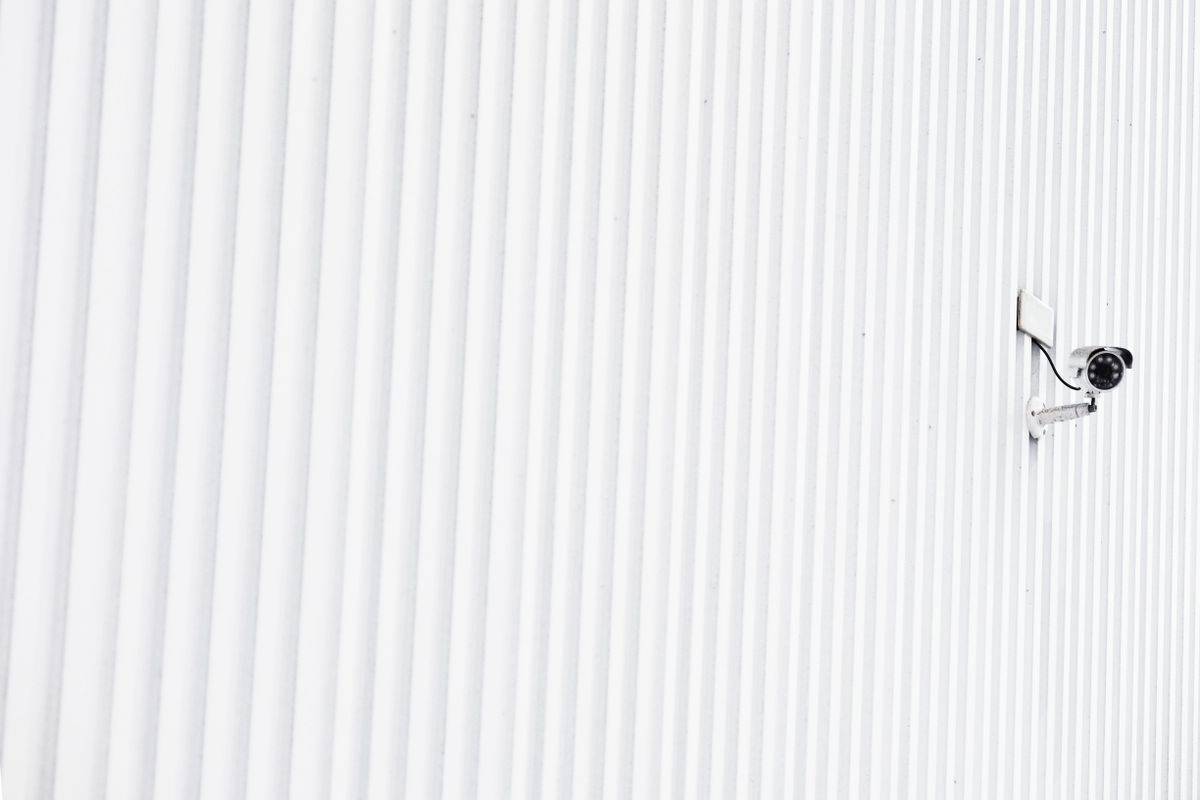
The Bulb Security Camera addresses these systemic issues by integrating high-definition optics directly into an E27 bulb form factor. This design allows the unit to draw power directly from a standard light socket, eliminating the need for battery replacements or complex wiring. The inclusion of a wireless bulb camera with night vision ensures that the device remains effective in low-light conditions, providing 24/7 coverage without the aesthetic footprint of traditional bullet cameras. Because it screws into a socket, it functions as a no-drill security camera for apartment use cases, allowing users to take their security system with them when they move. This portability is a key differentiator for the rental-friendly outdoor security camera market, where permanent installations are rarely an option.
Technically, the device utilizes a 360-degree panoramic lens, which significantly reduces blind spots compared to fixed-angle lenses. The setup process for an E27 bulb camera is designed for the layperson; it involves downloading a mobile application and syncing the device to a local 2.4GHz Wi-Fi network. Once connected, the user has access to a live feed and motion alerts. The critical feature for those seeking a wireless bulb camera with no subscription is the onboard microSD card slot. This allows for continuous loop recording or motion-triggered clips to be stored directly on the device. This hardware-centric approach ensures that even if the internet connection is interrupted, the camera can continue to record to the local media. It provides a robust solution for a no-drill apartment security camera that can be installed in a hallway, porch, or bedroom socket within seconds. The integration of two-way audio further enhances the utility, allowing for communication with delivery personnel or guests through the same interface used for monitoring.
Implementation and Decision Framework
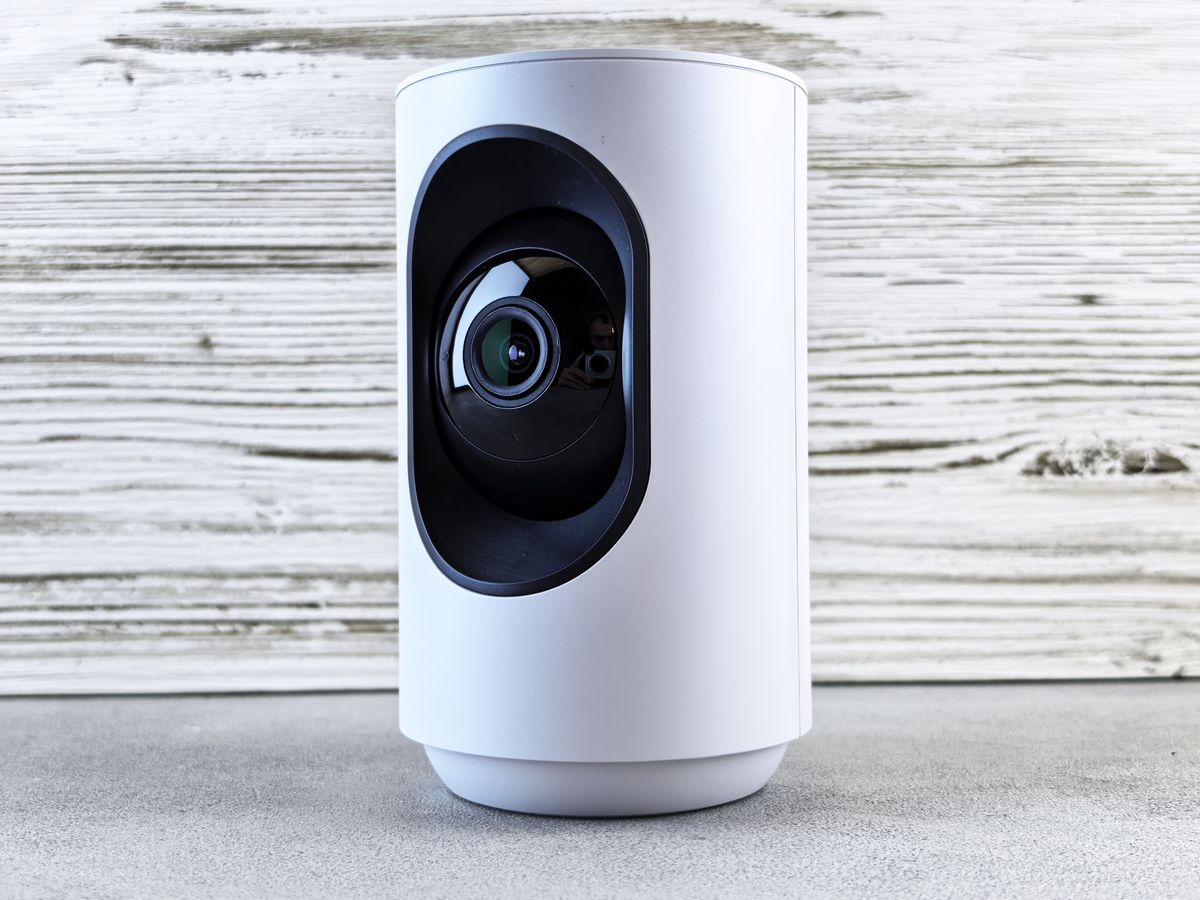
Photo by Andrey Matveev on Pexels
When selecting a bulb-based security system, the focus should be on compatibility and storage capacity. The decision to move away from subscriptions requires a small upfront investment in high-quality storage media, but the long-term savings are absolute. Users should verify that their intended installation site has a strong Wi-Fi signal, as the camera relies on this connection for real-time alerts and remote viewing. If the signal is weak, a simple range extender can bridge the gap, ensuring the light bulb camera wifi indoor performance remains stable. This setup is particularly effective for those who want a discrete presence; the camera looks like a standard LED bulb to the casual observer, which can serve as a deterrent without being intrusive.
To ensure a successful deployment without recurring fees, follow this technical checklist:
- Verify that the light socket provides continuous power and is not controlled by a motion-sensor switch that could cut power to the camera.
- Select a high-endurance microSD card (Class 10 or higher) to handle the constant read/write cycles of video recording.
- Position the camera in a socket that offers a clear line of sight to entry points, utilizing the 360-degree rotation to maximize coverage.
- Configure motion detection zones within the mobile app to reduce false positives from passing cars or swaying trees.
- Regularly check for firmware updates through the app to ensure the latest security patches are applied to the local hardware.
- Test the night vision range in the specific environment to ensure the infrared LEDs are not reflecting off nearby surfaces.
Shop Bulb Security Camera here