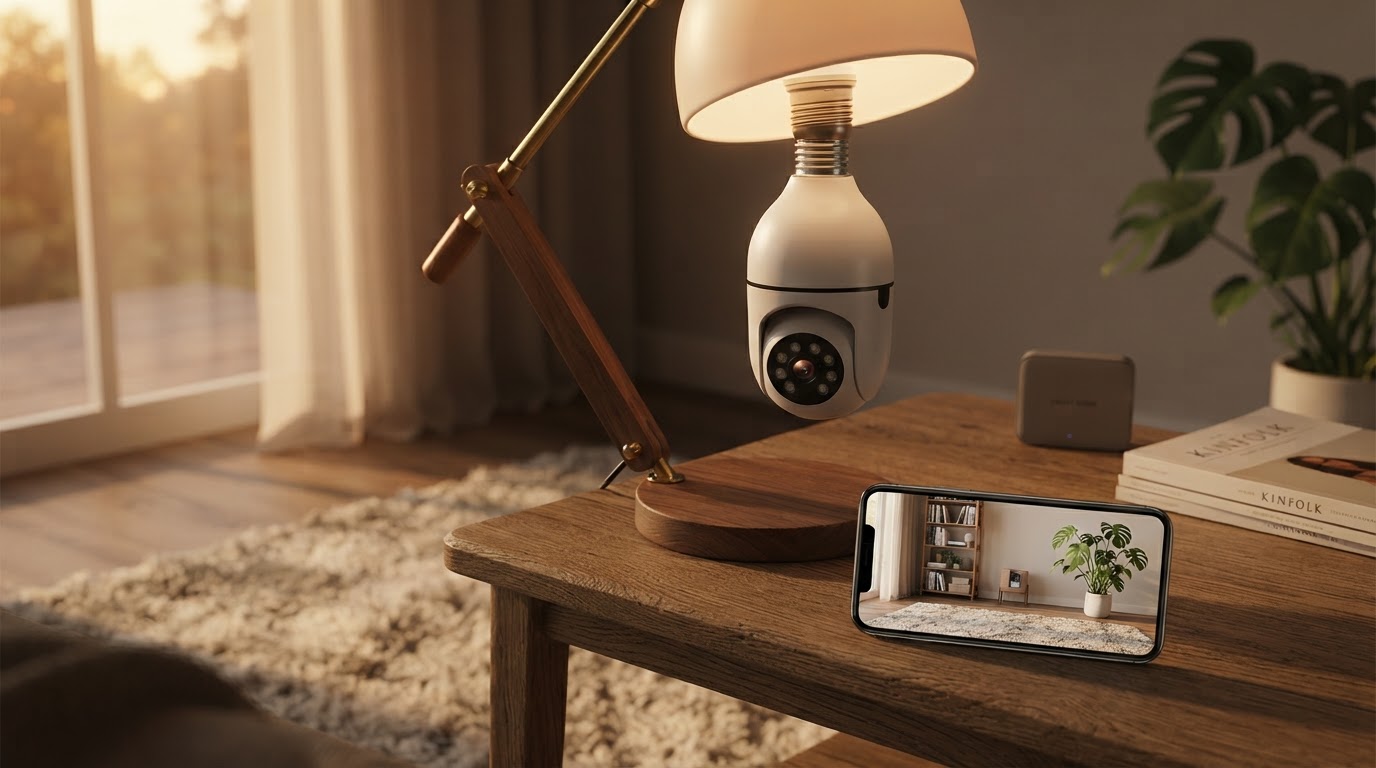
How does the Bulb Security Camera function without wires?
 Maya ChenContributing Editor
September 9, 2026 — The Bulb Security Camera operates by drawing continuous power from a standard E27 light socket while utilizing a 2.4GHz WiFi module for data transmission, effectively bypassing the need for dedicated electrical wiring.
The conventional wisdom says that true home security requires professional hardwiring or bulky battery packs that inevitably fail at the worst moment. Homeowners looking to secure rentals or older properties often find themselves trapped between expensive electrical labor and the unreliability of rechargeable units. By leveraging existing infrastructure, this hardware shifts the burden of installation from the technician to the consumer.
How does the Bulb Security Camera maintain a stable connection?
The Bulb Security Camera maintains its data stream through an integrated 2.4GHz wireless antenna that connects directly to local home routers. While many modern devices push for 5GHz bands, the 2.4GHz frequency is utilized here because its longer wavelength is better suited for penetrating the exterior walls and glass typically found between a porch light and an indoor router. According to user search data, the e27 bulb camera setup is frequently queried by users specifically looking for indoor-to-outdoor connectivity solutions that do not require signal repeaters. Here's the part nobody talks about: the stability of the feed is entirely dependent on the router's proximity, as the compact housing of a socket camera does not allow for the high-gain external antennas found on industrial units. I’ll change my mind when mesh networking becomes the standard for entry-level socket hardware, but for now, the 2.4GHz limitation remains the critical bottleneck for high-bitrate streaming.
Can the Bulb Security Camera operate in outdoor environments?
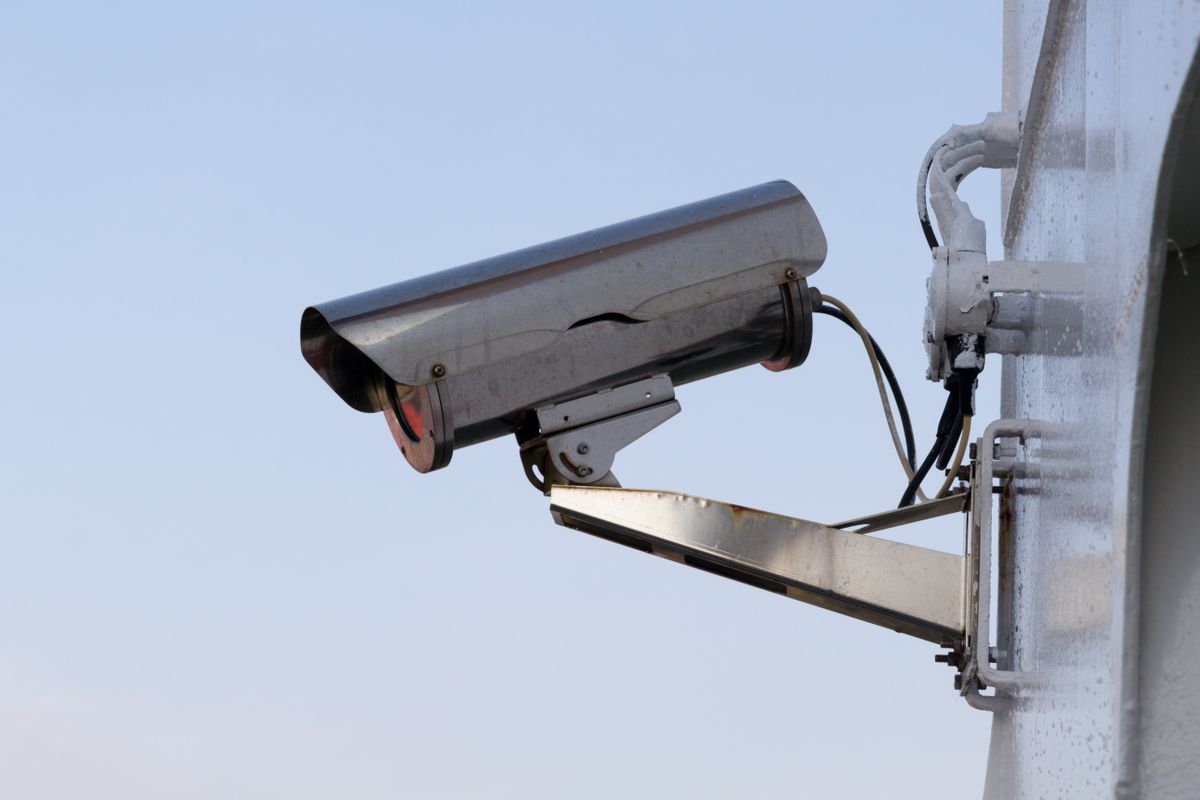
The Bulb Security Camera is designed to function in exterior entryways provided it is installed within an enclosed or semi-shielded E27 fixture that protects the base from direct vertical rainfall. Run the math: a standard porch light socket provides a consistent 110V to 240V power supply, which allows the camera to run 360-degree pan-tilt motors and infrared night vision LEDs simultaneously—a power draw that would deplete a standard lithium-ion battery in less than 48 hours. Unlike traditional battery-operated cameras that remain in a low-power sleep mode until motion is detected, the constant power from the socket enables continuous monitoring. This distinction is vital for users prioritizing the screw in security camera outdoor use case, where missing the first two seconds of an event due to a "wake-up" lag is unacceptable. The hardware relies on the physical protection of the existing light fixture to maintain its operational lifespan in fluctuating temperatures.
Quick answers
Photo by Thomas VEILLON on Pexels
Q: Does the Bulb Security Camera require a monthly subscription for basic use? A: The Bulb Security Camera supports local storage via a microSD card slot, allowing for video recording without a mandatory monthly cloud subscription fee. Users can access the 360-degree live feed directly through the mobile app using their local WiFi network.
Q: What type of socket is required for the Bulb Security Camera installation? A: The device is engineered specifically for the E27 screw-in base, which is the standard size for most household light bulbs in North America. This allows for a screw in security camera setup that takes less than five minutes to complete.
Q: Can the camera still record if the light switch is turned off? A: No, the Bulb Security Camera requires the physical light switch to remain in the "on" position to receive power. To control the light itself without cutting power to the camera, users must use the integrated LED controls within the Wifi Light Socket Camera interface.
Learn more about Bulb Security Camera at https://bulbsecuritycamera.com.