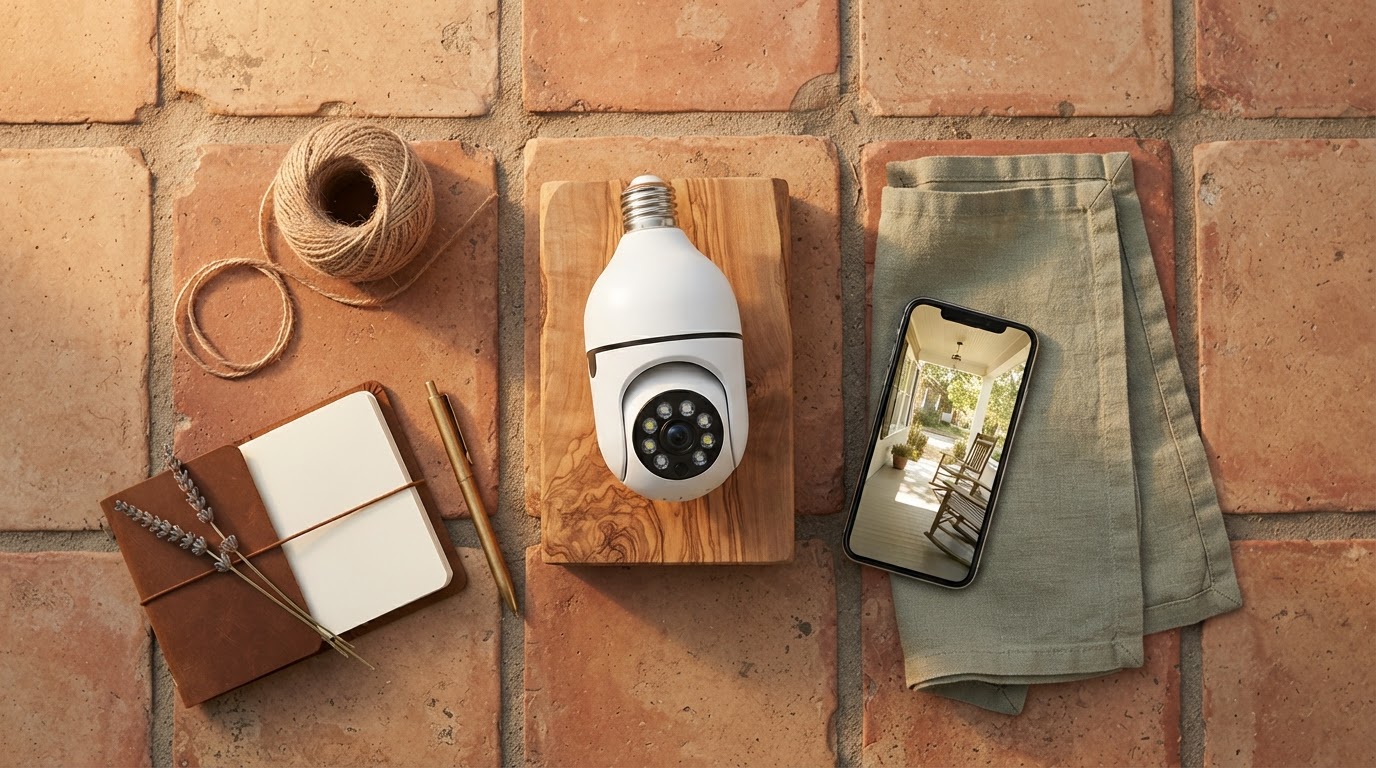
Securing Exterior Entryways with Bulb Security Camera
 Jordan HaleStaff Writer
September 7, 2026. This review examines the practical application of screw-in security technology for outdoor home monitoring. It is written for homeowners seeking reliable surveillance without the friction of complex electrical wiring.
I stood on a wobbly ladder last Tuesday, clutching a standard LED bulb in one hand and a device that looked exactly like it in the other. The air was crisp, smelling of damp earth and the neighbor’s jasmine. The first thing I noticed was the weight; a Bulb Security Camera feels denser than a standard light, carrying the glass and circuitry of a lens without the bulk of traditional mounting hardware. Most homeowners dread the drill—the jagged holes in the siding and the serpentine wires snaking toward an outlet. According to The Smart Home Hookup, the shift toward these devices is driven by the desire for a screw in security camera that avoids the "giant white box" aesthetic on a porch. The reality of outdoor monitoring often involves navigating weak signals through brick walls. As noted by The Smart Home Hookup, mounting these cameras outside means the device requires a robust WiFi signal from your router to maintain a 2K stream, a factor often overlooked until the feed starts to stutter. It turns out that the convenience of a light socket is only as good as the signal reaching it.
Integrating a wifi light socket camera into an existing E27 fixture changes the way you interact with your perimeter. When I twisted the unit into my porch light, the satisfying click of the contacts signaled power without a single wire nut or piece of electrical tape. Somewhere around week two, I realized I had stopped checking the app every five minutes. The motion alerts were calibrated enough to ignore the swaying branches of my oak tree but sharp enough to catch the delivery driver before he even reached the steps. For those using an e27 bulb camera setup, the hardware leverages the existing power of the light fixture to drive features like 360-degree rotation and night vision. Unlike battery-operated units that eventually go dark during a cold snap, the constant power from the socket ensures the device remains a vigilant bodyguard. The Wyze Bulb Cam, for instance, provides 2K HD video and 800-lumen LED lighting, proving that a bulb security camera can serve dual purposes by illuminating the path while recording it. I keep coming back to the simplicity of the form factor; it hides in plain sight, looking like a standard fixture to the casual observer while providing a full panoramic view of the driveway.
Choosing the right location for a screw in security camera requires a specific decision framework to ensure the hardware survives the elements and performs as intended. While these devices are designed for ease, they are not universal solutions for every corner of the property. You must consider the orientation of your socket—many porch lights are recessed or angled, which can limit the field of view if the camera doesn't have a wide enough tilt range. Before committing to a permanent exterior placement, run through this checklist:
- Verify the socket provides a constant 110V-240V power supply without being connected to a dimmer switch.
- Ensure the outdoor fixture is sheltered from direct heavy rainfall, as most socket cameras prefer a covered porch or eave.
- Test the WiFi signal strength at the exact mounting point using a smartphone before installation.
- Check for physical obstructions like glass globes or metal cages that might interfere with the camera's rotation or IR sensors.
- Confirm the socket is an E27 standard, which is the most common size for these wifi light socket camera models.
- Evaluate the height of the fixture to ensure the lens can be angled to capture faces rather than just the tops of heads.
Sources
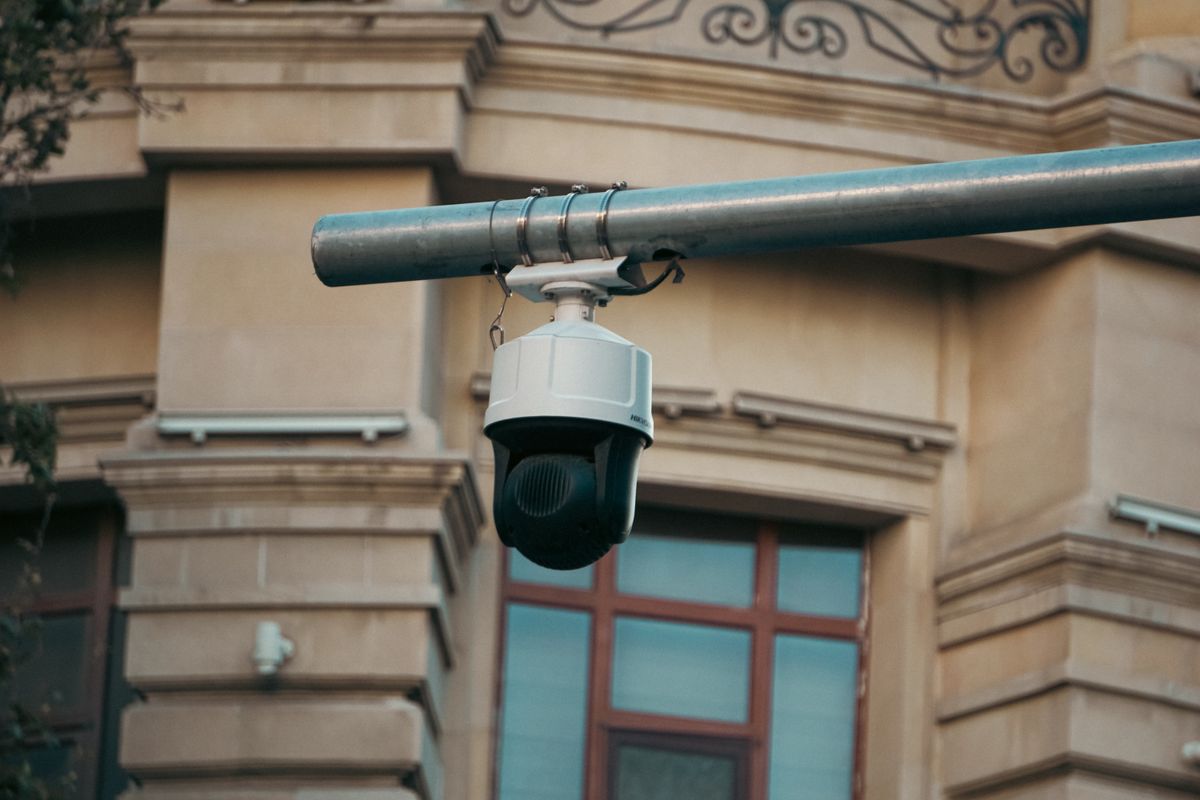
Photo by Elmir Jafarov on Pexels
- Wyze Bulb Cam | 2K HD, 800 Lumen LED
- Should you buy a lightbulb security camera? I tested 10 cameras from ...
- Everyone's staring straight at your camera… and has no idea. Wyze ...